
18 – 30 Nov 2017
顧明均展覽廳
Koo Ming Kown Exhibition Gallery
以繪畫連繫人、物、地的展覽
A painting exhibition connecting people, objects and places.
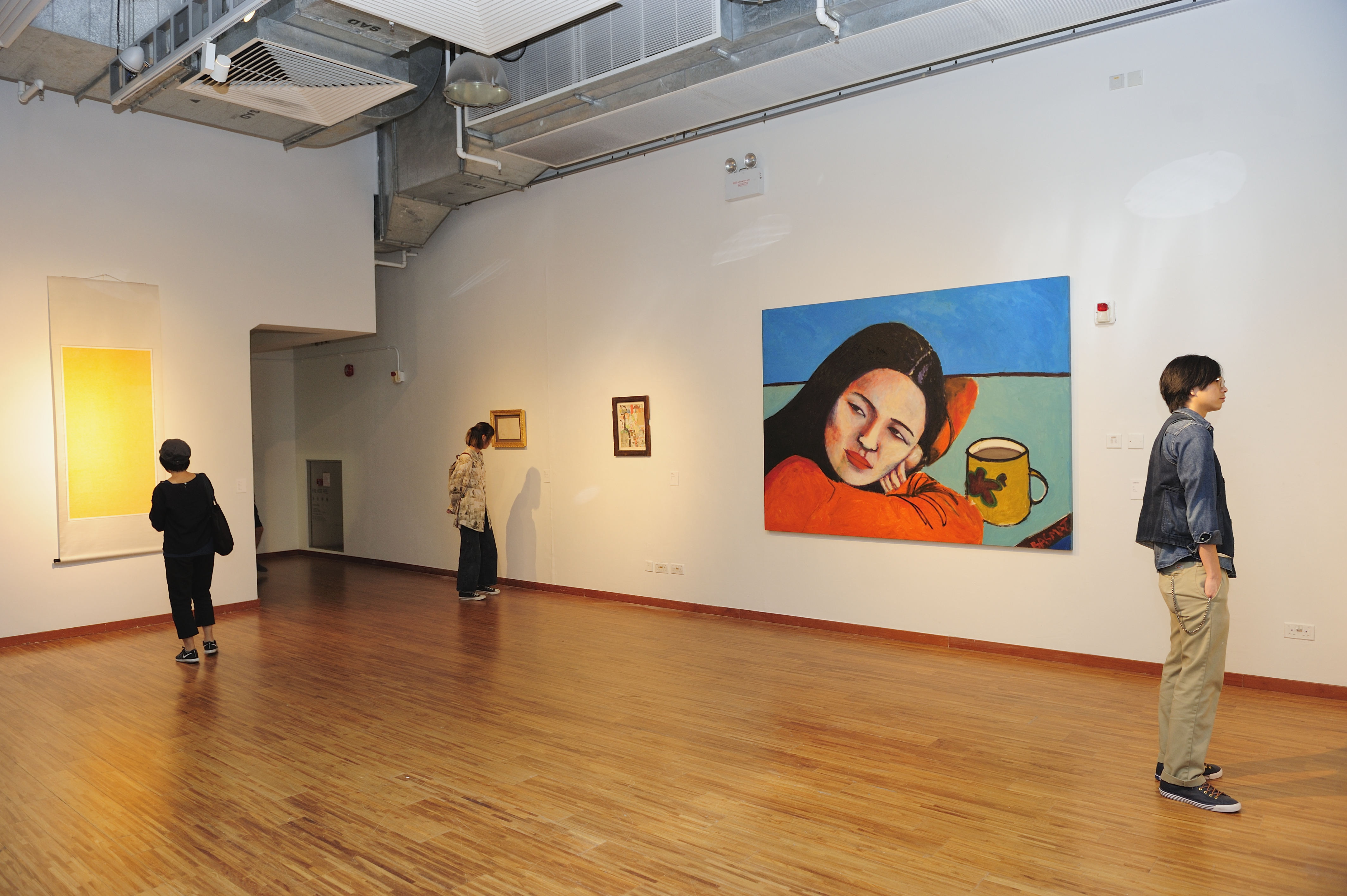
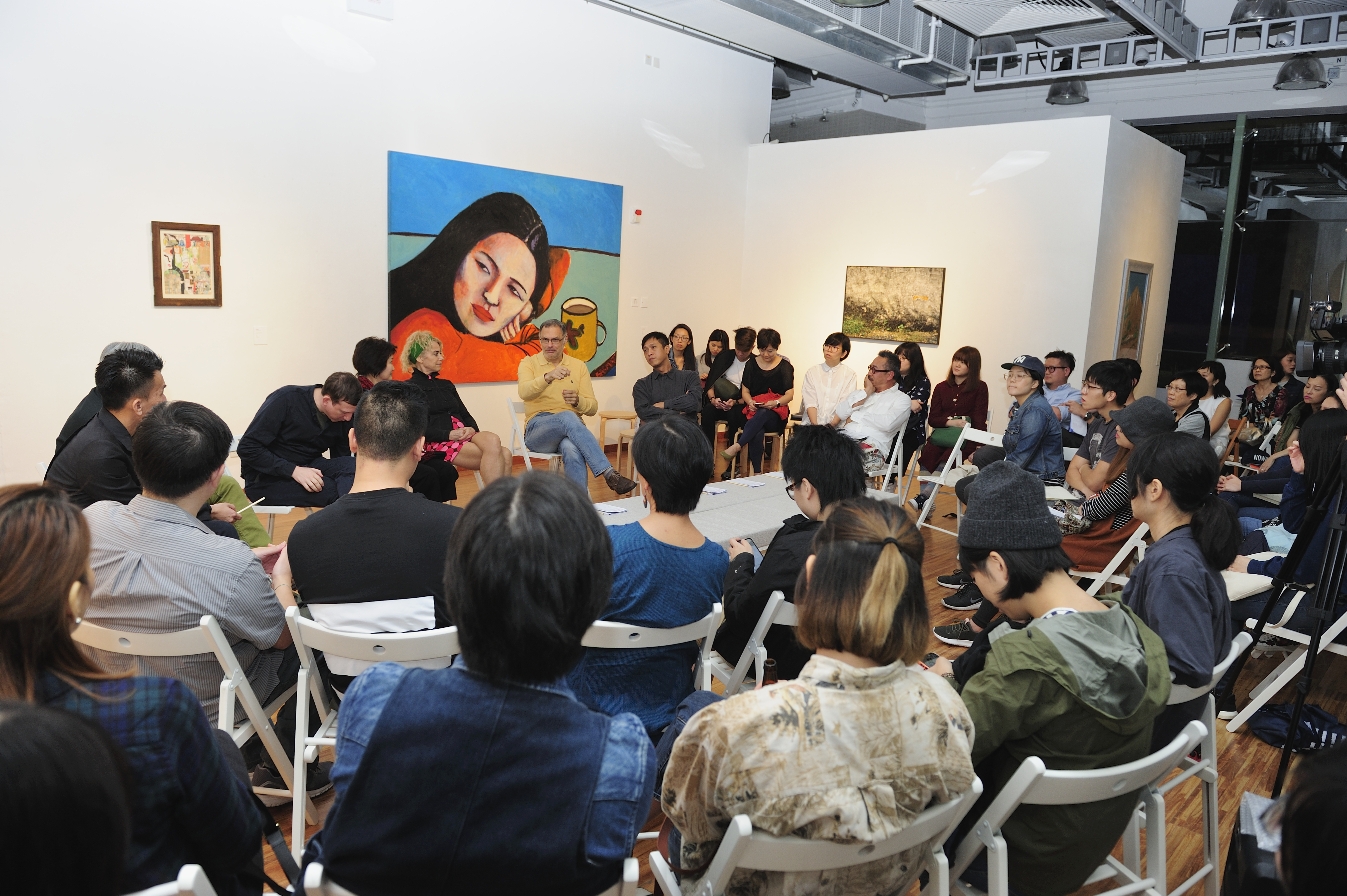
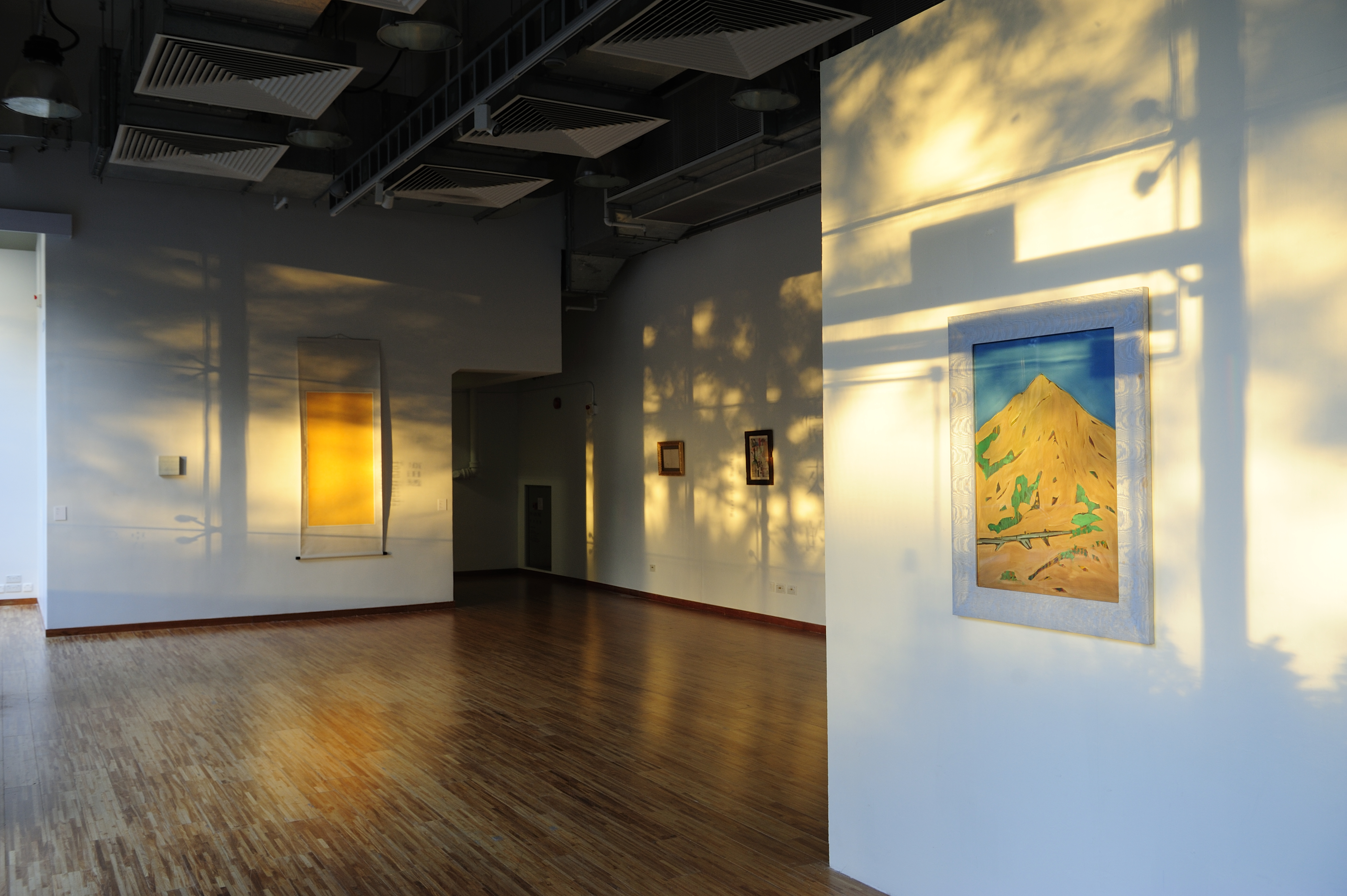
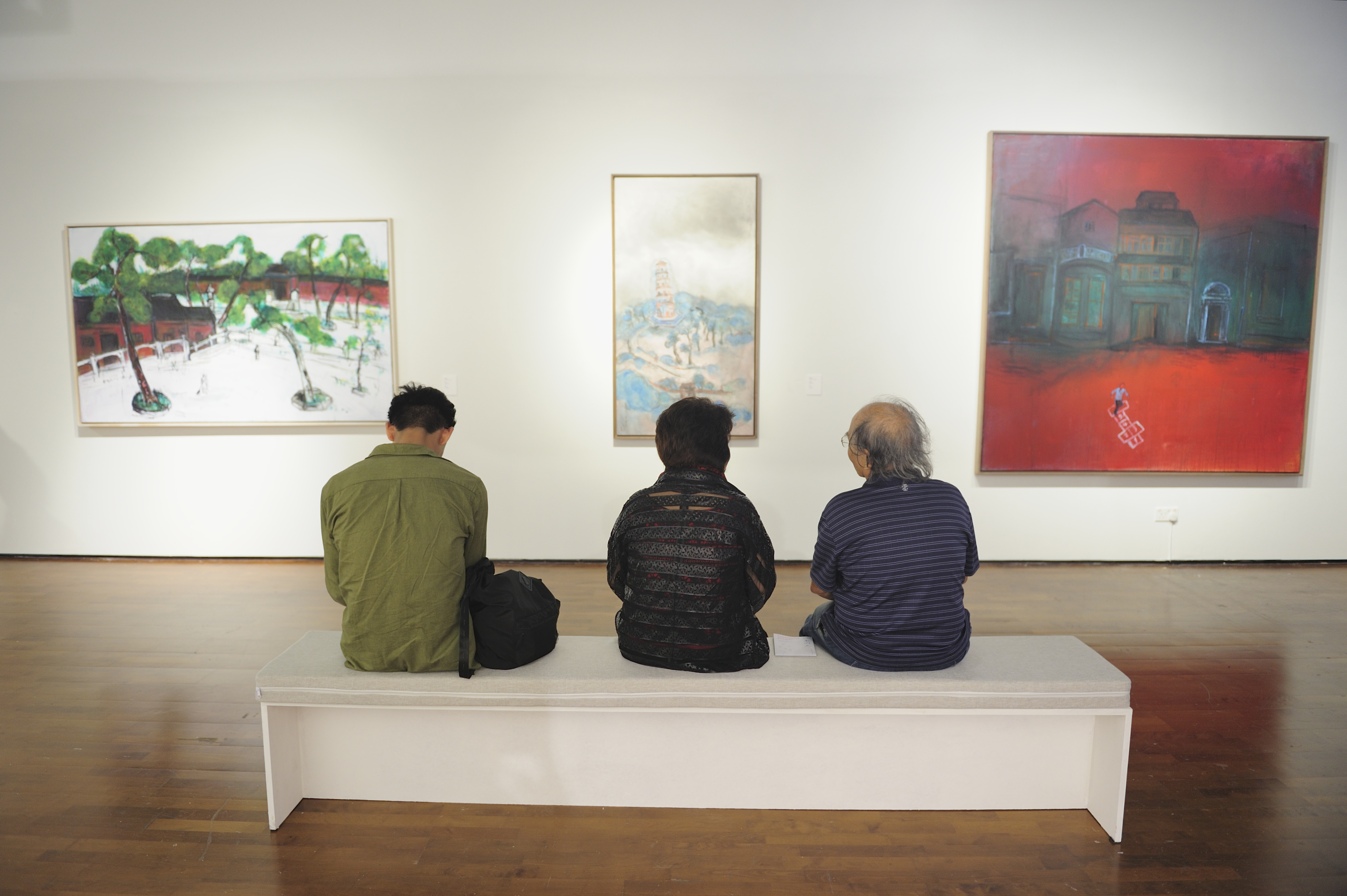
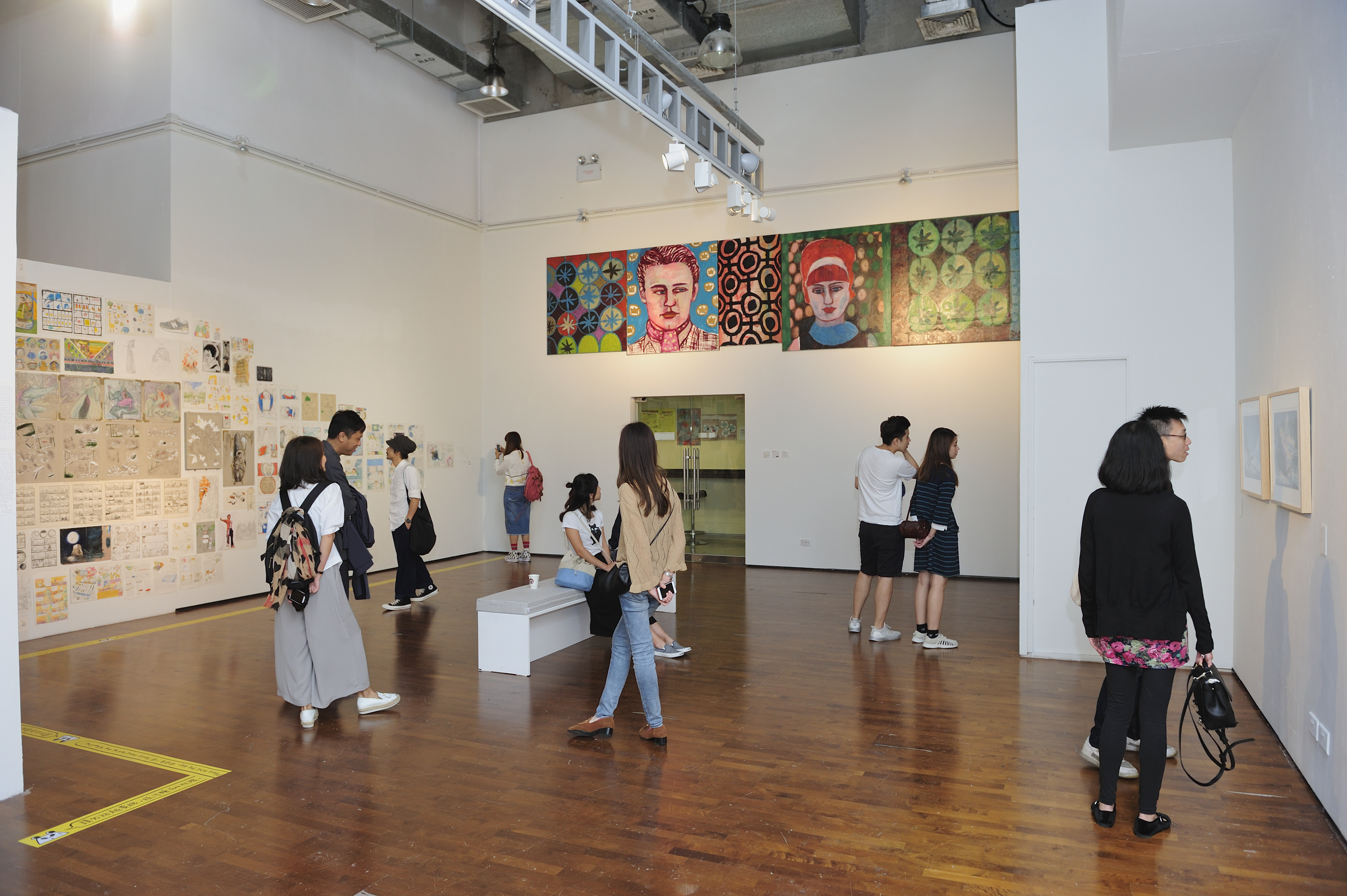

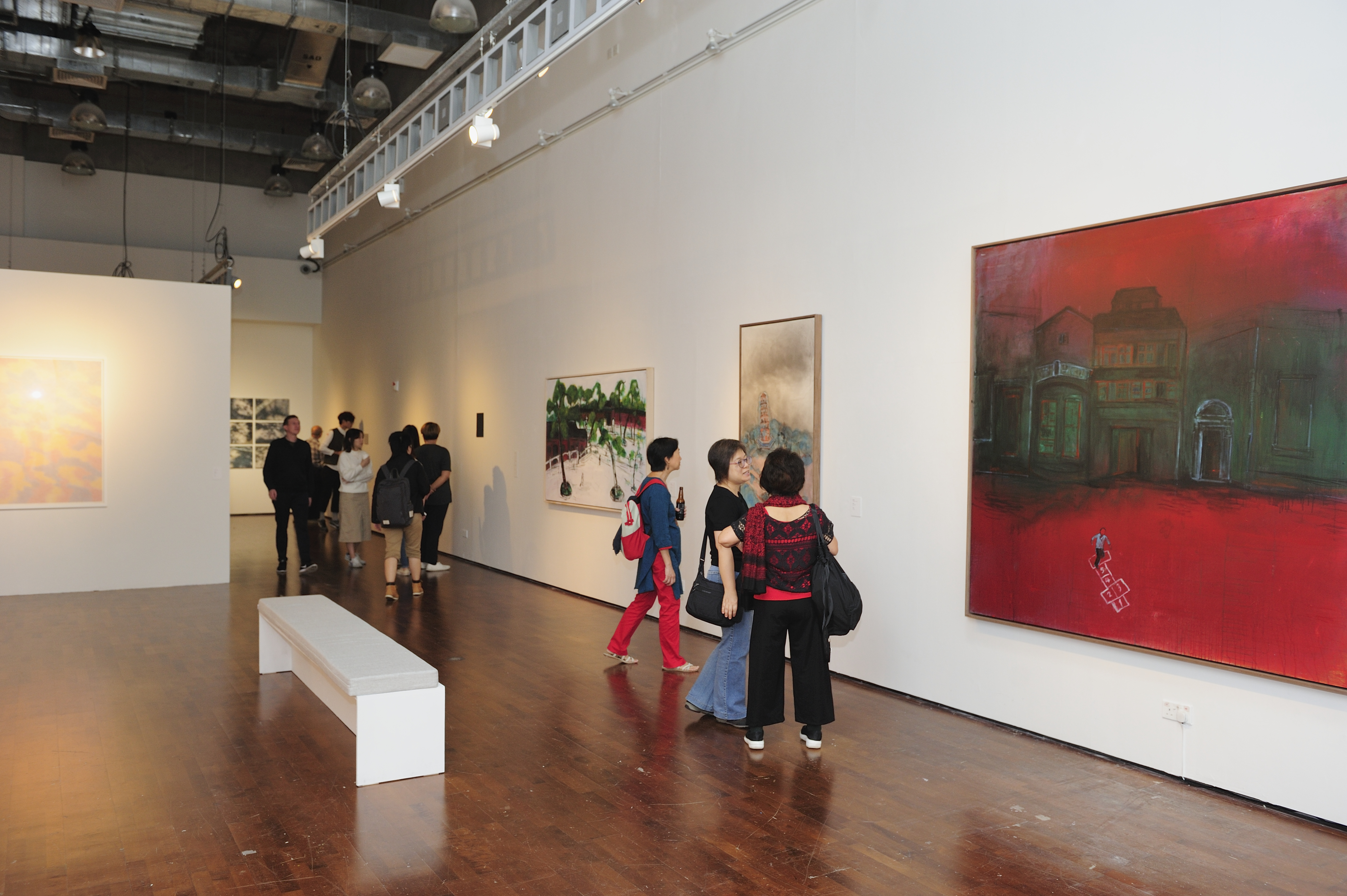
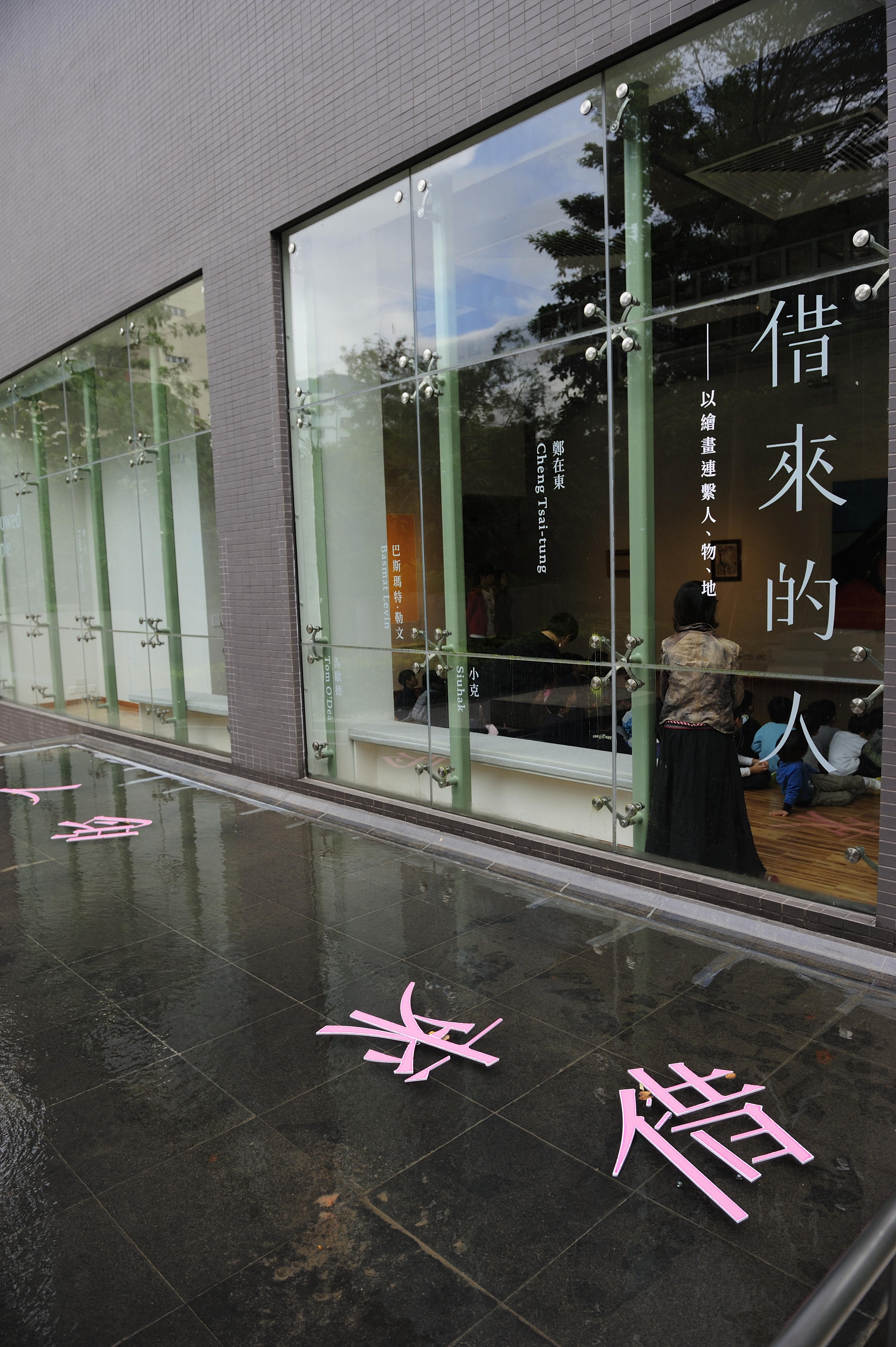
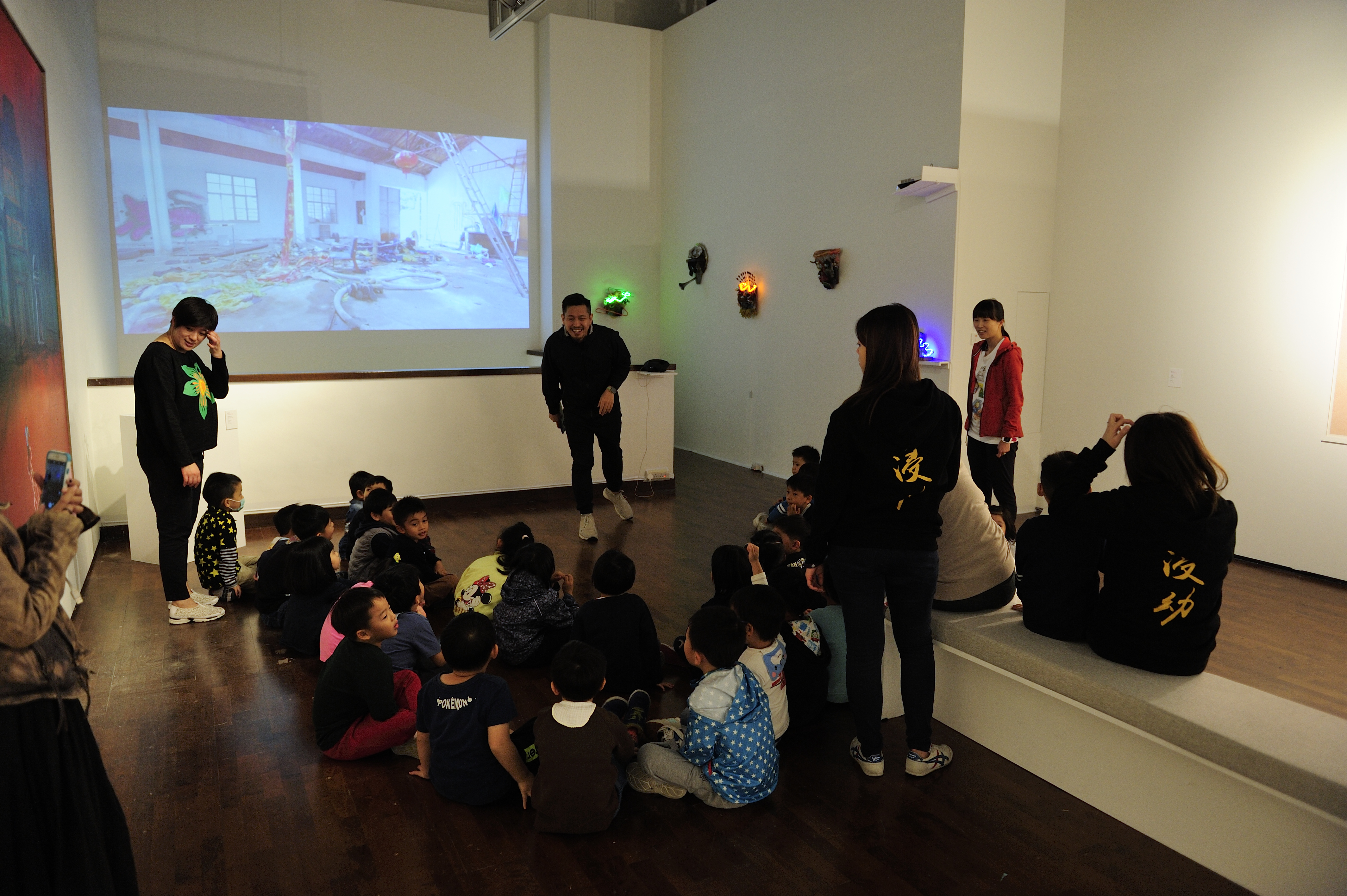

「借來的人」展覽邀請了七位來自不同地域的藝術家,包括鄭在東、卓有瑞、原田透、巴斯瑪特·勒文、湯歐德、小克及韋一空,他們來自世界不同地方,有着不同的語言和文化背景,然而各人已經有好一段時間,分別在香港、上海、杭州三個城市生活下來。展覽項目於2015年開始啟動,策展團隊多次走訪三個城市,相約藝術家進行訪談,並借來各人別具代表性的繪畫作品,包括近年完成的一系列新作及精選一件舊作,以相互交織的展示,探討當中人、物、地三者的關聯意義,並藉此闡述當代繪畫的多元價值與面向。
We have invited seven artists from different places to take part in this exhibition entitled “Borrowed People”, and they are Cheng Tsai-tung, Cho Yeou-jui, Toru Harada, Basmat Levin, Tom O’Dea, Siuhak, and Frank Vigneron. The participating artists come from different parts of the world. They speak different languages and have different cultural backgrounds. They have, however, settled down for some time in one of these three cities: Hong Kong, Shanghai and Hangzhou. This project first started in 2015. The curatorial team visited Hong Kong, Shanghai and Hangzhou a number of times, meeting the artists for interviews and selecting the works to be shown. The exhibition “borrows” from each artist paintings which are representative of his/her art making, including a new series completed in recent years and a selected earlier work. Interwoven with works across a number of years, the exhibition explores the association between people, objects and places, and talks about the value of diversity and the many faces of contemporary painting.
參展藝術家 Participating Artists:
鄭在東 Cheng Tsai-tung
卓有瑞 Cho Yeou-jui
原田透 Toru Harada
巴斯瑪特・勒文 Basmat Levin
湯歐德 Tom O’Dea
小克 Siuhak
韋一空 Frank Vigneron
https://www.facebook.com/events/138238730264540/?active_tab=discussion
策展語
感情/用事
感(知)(覺):人之五官以耳、目、口、鼻和心去感知世界,一種舒服的感覺、快樂的感覺或憂愁的感覺如何明言,並與他人分享?而當中所感受到的質地在人與人之間可以相差多遠?
情(意)(境):張潮有言「情之一字,所以維持世界」 [1]。這個世界理解作時間和空間,人生的一切,以情這個媒介作為整個系統的連繫。畫物之情就是以繪畫作為探討關係的行動。
用事:情感介入後如何處理事情(創作)或作出決定?策展就是作為一種方法去呈現這種多層次的連繫和對話。在尋找及接觸不同藝術家的過程中,了解到他們的人生經歷,聽着他們各自在旅途上如何來回遊走,從各人身上感受到生活/創作態度。人是流動的,情感亦然,到底是地方影響了人的心境,還是心境影響了人對地方以至對身邊人、物、事的看法?明顯地,這個展覽想談人,想談談非本地、異鄉人對地方的影響或相反被地方影響的痕跡(作品),藝術家這種身份成為了這項探討的對象,他們是處理圖像、物料和空間的人。鄭在東內心的色彩組合千變萬化;韋一空以極微細的姿態去書寫空間;原田透以「闖入者」身份「轉化」廢墟/社區;卓有瑞重複於平面上面對真實的重量;Basmat以熱鬧的方式表現人物;小克的韻律節奏,看見或聽到的;Tom的作品謙遜極簡地批判西方後現代繪畫。最終,邀請了的人、借來的作品組成了這個展覽,看到比預期中更廣的地域連繫,以及繪畫對於個人精神以至社會審美上可延伸的方向及可塑性。
[1] 張潮,《幽夢影》,達觀出版,台北,2015,402頁
Curator’s Note
Senses, emotional bond and their involvement
Senses (cognition) (perception): We know the world through the five senses of hearing, seeing, tasting, smelling and feeling. How do we describe comfort, happiness and sadness and tell others such feelings? And how different would you and I feel about the same thing?
Emotional bond (mind) (inner landscape): Zhang Chao said that “Emotional bond is the foundation of the world”. [1] The world is taken as all the time and spaces, and everything in life. Emotional bond is the medium that connects the whole system. Painting the world is an act to explore such relationships.
Involvement: How do we handle the matters in hand (art making) or make a decision when we allow our emotions to get involved? Curating is a way to present these multi-layer connections and dialogue. In the process of looking for and contacting the artists, we have learned more about their stories, the paths they travelled, and what they think about life and their art. Men move around. Emotional bond is never in a static state. Do places affect our feelings or is it what we feel that affects our way of seeing places and the people and things around us? It is quite clear that this exhibition wants to talk about people, about non-local people influencing a place or traces of a place’s influence on them (and their works). Artists, who handle images, materials and space, are the subject of such examination. Cheng Tsai-tung offers a myriad of colour combinations from his inner mind. Frank Vigneron adopts absolute lightness in writing about space. Toru Harada plays the role of “intruder” and brings about the “transformation” between ruins/communities. Cho Yeou-jui repeats on two-dimensional surfaces the weight of reality. Basmat Levin presents people in a lively and exciting way. The rhythm of Siuhak can be seen or heard. Tom O’dea criticises post-modern western paintings in the simplest and most humble way. The exhibition is formed by invited people and borrowed works. In it we can see a wider-than-expected connection between places, as well as the possible extensions and flexibility of painting in one’s inner mind and in the aspect of social aesthetics.
[1] A saying quoted from Dream Shadows, a book of short essays by Zhang Chao, a writer of the Qing Dynasty.
 野.遊
野.遊 